

La Música de Al-Andalus
La Nuba Garnatà de Tlemecen (Argelia)Ensemble Awtar-Tilimsem
There is a very significant fragment of the poem written by Ismá'il b. Bard when he asked 'Abd al-Hamid b. Basil for a lute, and was given an old instrument: You were very generous to send me a lute that belonged to the family of al-Waid. Generation after generation mended it with their hands. It is Co me like a lute of mosaic. The spiders wove over it for they thought it a vestige of a building in ruins. This lute is like effaced lines, like the remains of the ink of beautiful calligraphy. (AI-Kattáni (1029): Kitab al-tasbihiát mi...+ info
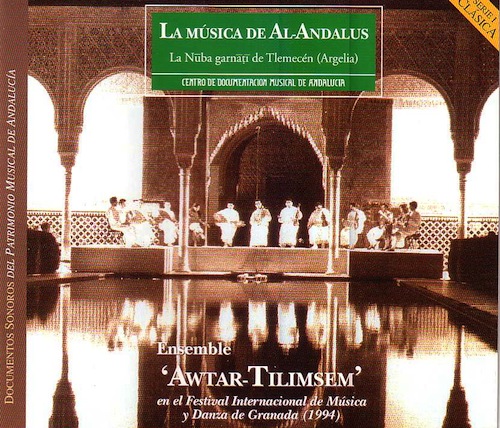
La Música de Al-Andalus
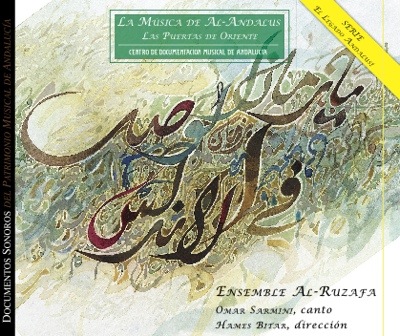
Las Puertas de OrienteEnsemble Al-Ruzafa
Conductor: Hames Bitar
Aleppo: custody of the musical tradition from the Orient. Aleppo is an important trading city and communication cross-point where the most pure traditions of Arabic chant have been preserved. The most characteristic expression of this chant is the vocal improvisations or layali, through which the complete doctrine of maqam was developed into a form of choral music, the qad (alqudud in plural), related to the muaxaha genre, very well-known in Al-Andalus. From the eighteenth century onwards, the muaxaha expanded through the Mid-Orient, particularly in Aleppo, where it is known ...+ info
I Concurso de
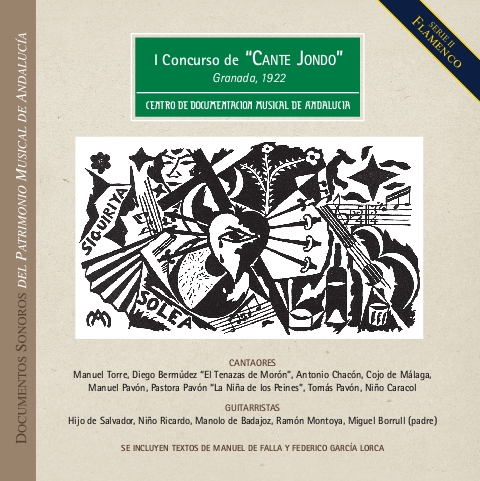
Granada, 1922Varios
There can be no doubt that the Cante Jondo contest held in Granada during the Corpus celebrations on 13 and 14 June 1922 was an important milestone in the history of flamenco, although some scholars, looking back on it from our current perspective, question the timeliness of its celebration, the organisational model and its restrictive rules. It is true that almost a century later, and having witnessed the course that flamenco has taken over this long journey, some of the premises on which the contest was based could be considered exceedingly alarmist –especially that the purest forms of...+ info

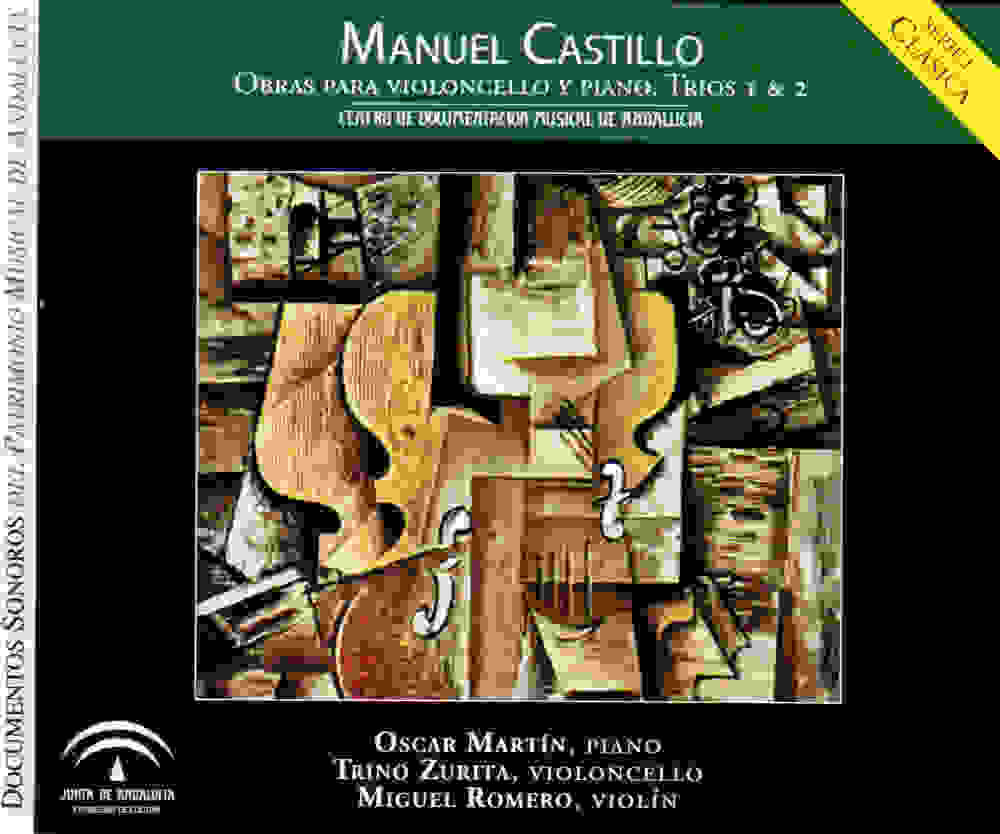
Nuevo Disco: OBRAS PARA VIOLONCELLO Y PIANO. TRÃOS 1 Y 2. MANUEL CASTILLO
Almaviva
Almaviva aims to highlight the workof such illustrious Andalusians as Manuel de Falla and Joaquín Turina.
Edited
Junta de Andalucía. Consejería de Cultura
Coordinated
Centro de Documentación Musical de Andalucía
Produced
Agencia Andaluza de Instituciones Culturales
+ More
New in Almaviva
See the latest Almaviva.
Go to News
Buy our records
Shop in Almaviva all disks of our artists.
Simply access the Online Purchase section and select the disks you want.
In short time you will receive in your home.
Go to online Shopping